


When your electric fireplace’s flame display starts to falter, it can be frustrating and confusing. Understanding the potential causes behind a faulty flame display is crucial for effective troubleshooting and maintenance. In this comprehensive guide, we’ll delve deep into the various factors that can lead to electric fireplace display issues, helping you identify and address the root of the problem.
Common Electric Fireplace Display Issues
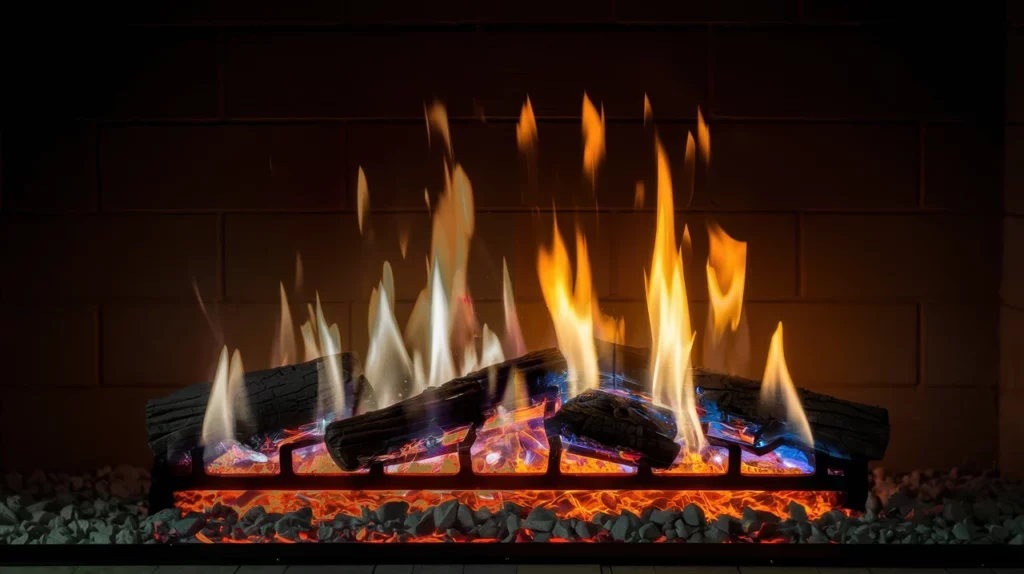
Before we explore the causes, let’s recap the most frequent flame display problems:
- Dim or fading flames
- Flickering or erratic movement
- Unusual colors
- Complete lack of flame effect
- Inconsistent flame size
- Distorted or unrealistic flame appearance
Now, let’s examine the potential causes behind these issues.
Electrical Components: The Heart of the Flame
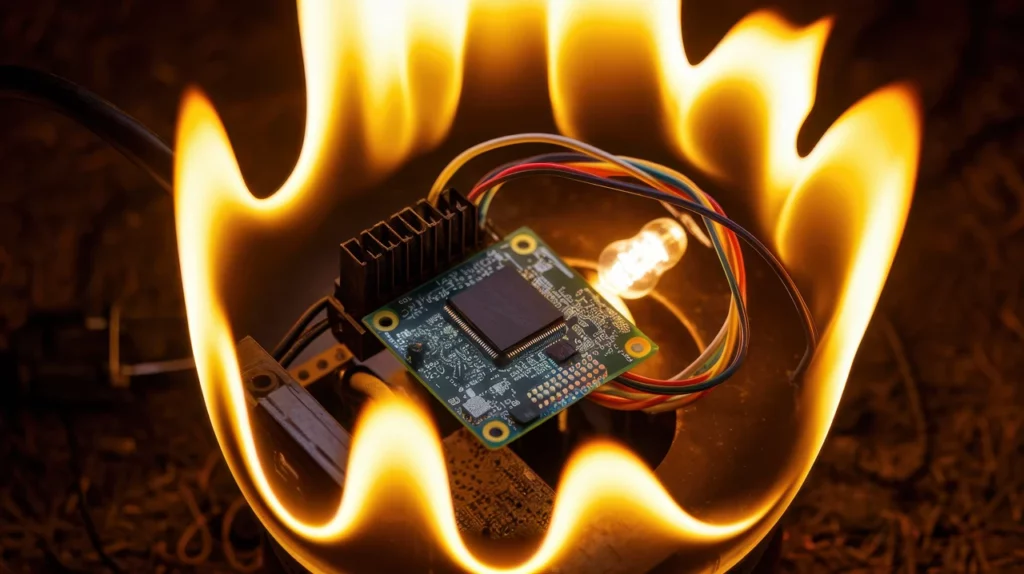
Many flame display problems stem from issues with electrical components. Here’s a breakdown of potential culprits:
- Power Supply Issues
- Faulty Circuit Boards
- Damaged Wiring
- Blown Fuses
- Malfunctioning Switches
1. Power Supply Issues
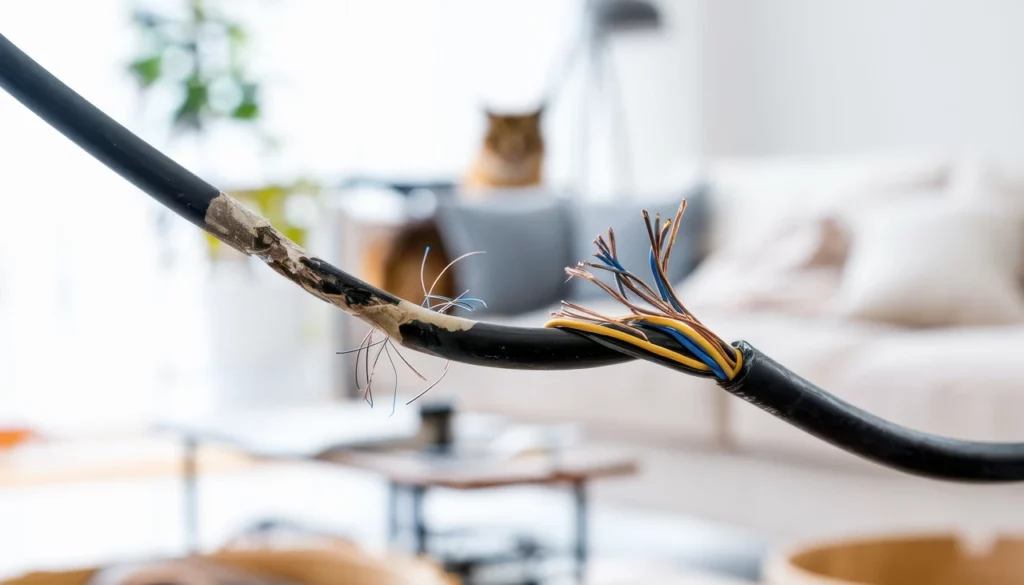
Inadequate or unstable power can significantly affect flame display. Causes may include:
- Loose power cord connections
- Damaged power cords
- Insufficient voltage from the outlet
- Power surges or fluctuations
Always ensure your electric fireplace is plugged into a stable, appropriate power source.
2. Faulty Circuit Boards
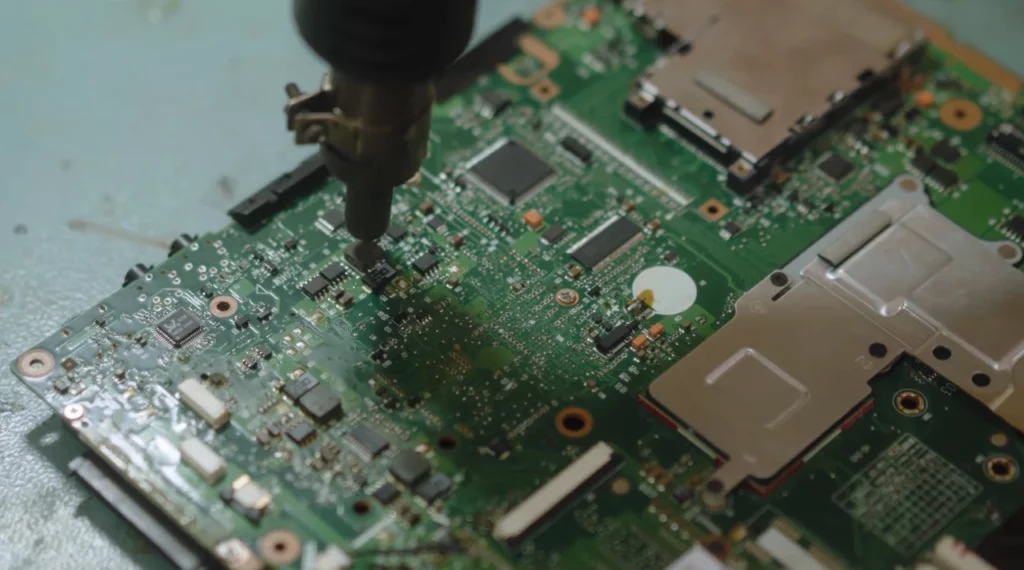
The circuit board is the brain of your electric fireplace. Issues here can cause various flame display problems:
- Inconsistent flame behavior
- Complete failure of the flame effect
- Unresponsive controls
Circuit board problems often require professional diagnosis and repair.
3. Damaged Wiring
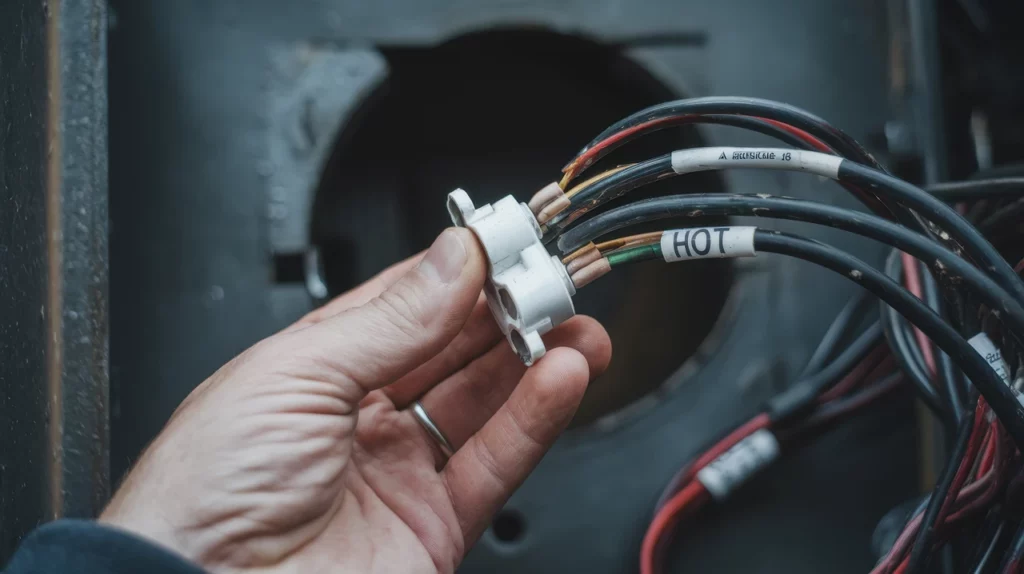
Internal wiring issues can lead to erratic flame behavior or complete failure:
- Loose connections
- Frayed or broken wires
- Short circuits
These issues can be dangerous and should be addressed by a qualified technician.
4. Blown Fuses
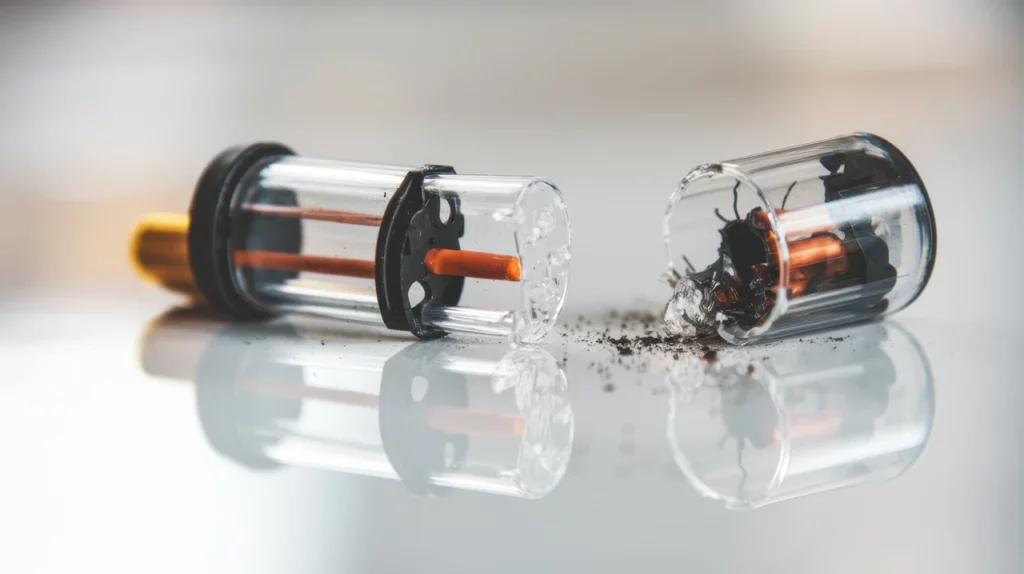
Fuses protect your fireplace from electrical overloads. A blown fuse can cause:
- No power to the flame display
- Partial functionality loss
Replacing a blown fuse is often a simple fix but may indicate underlying issues.
5. Malfunctioning Switches
Faulty switches can prevent proper control of the flame display:
- On/off switch failures
- Flame intensity control issues
- Mode selection problems
Switch replacements are typically straightforward but may require professional assistance.
Light Sources: The Essence of the Flame
The light sources in your electric fireplace are crucial for creating a realistic flame effect. Problems here can significantly impact the display:
- Burnt-out Bulbs
- LED Strip Failures
- Dimming Issues
- Color Wheel Malfunctions
1. Burnt-out Bulbs
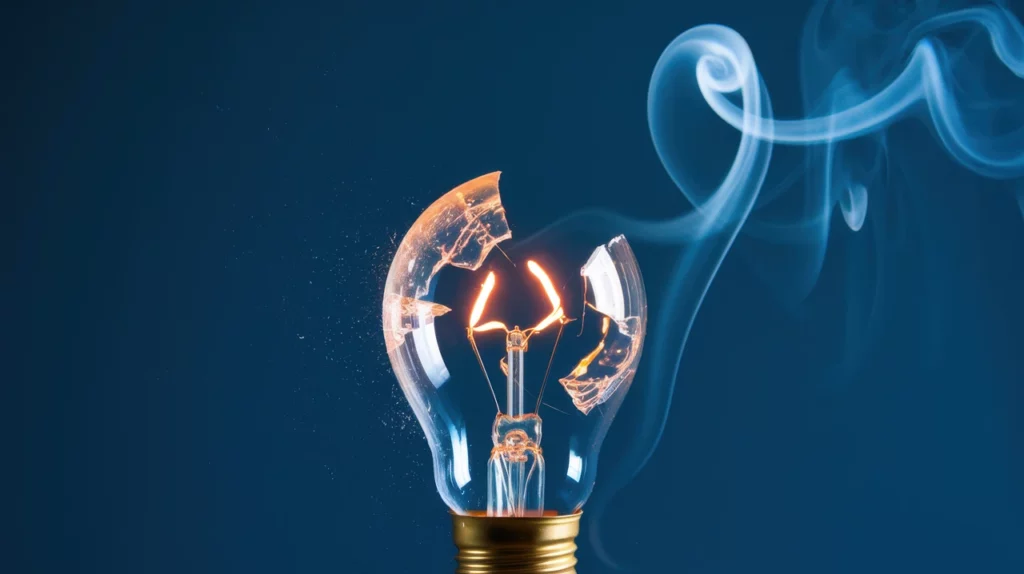
In fireplaces using traditional bulbs:
- Partial or complete loss of flame effect
- Dimming or fading flames
Regular bulb replacements can prevent many flame display issues.
2. LED Strip Failures
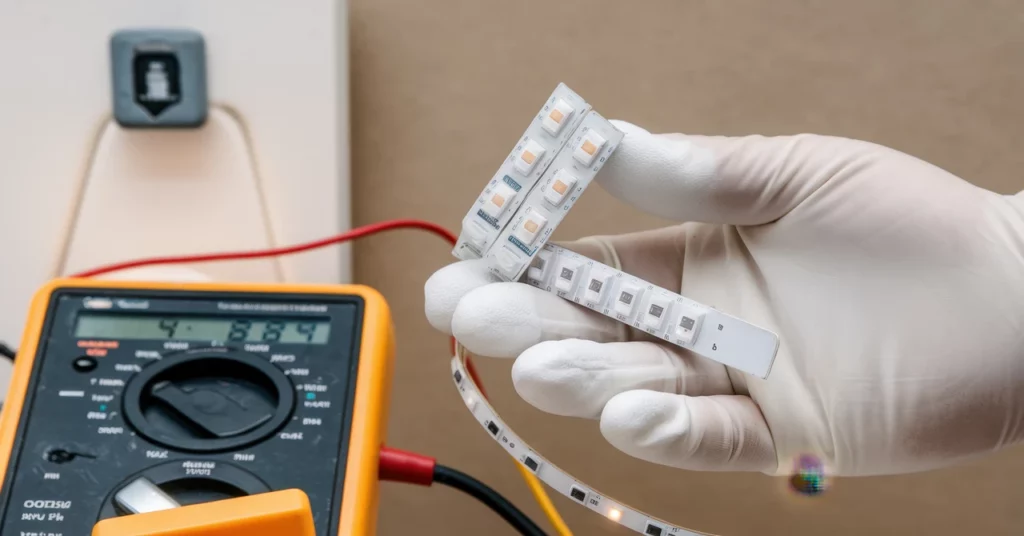
For LED-based flame effects:
- Inconsistent flame appearance
- Color distortions
- Partial flame loss
LED strips may require professional replacement if faulty.
3. Dimming Issues
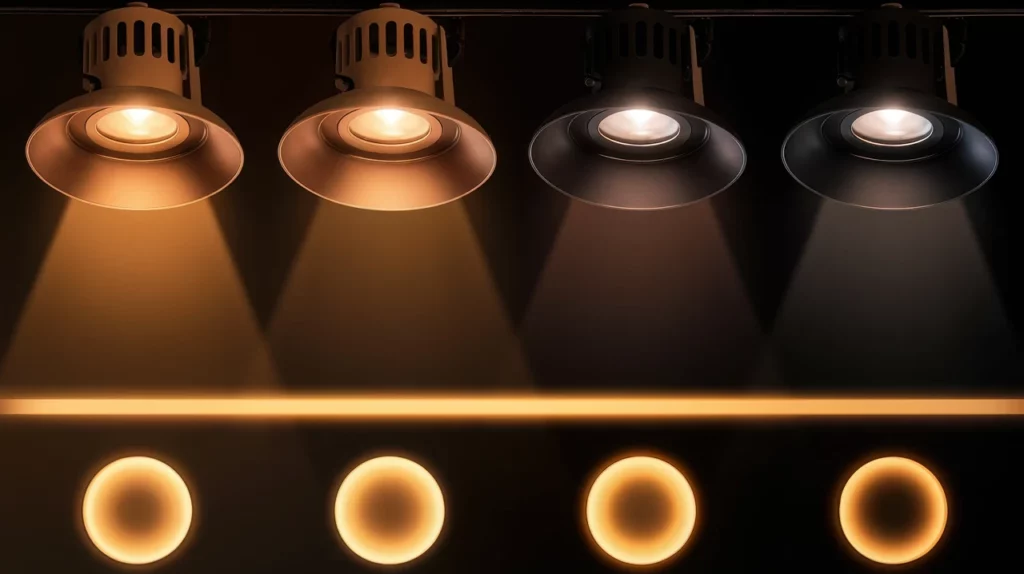
Gradual or sudden dimming can be caused by:
- Aging light sources
- Power supply problems
- Faulty dimmer controls
Regular maintenance and timely replacements can prevent most dimming issues.
4. Color Wheel Malfunctions
In fireplaces using color wheels for flame effects:
- Unusual or incorrect flame colors
- Stuck or repetitive color patterns
Color wheel issues often require professional repair or replacement.
Mechanical Components: The Movement Behind the Magic
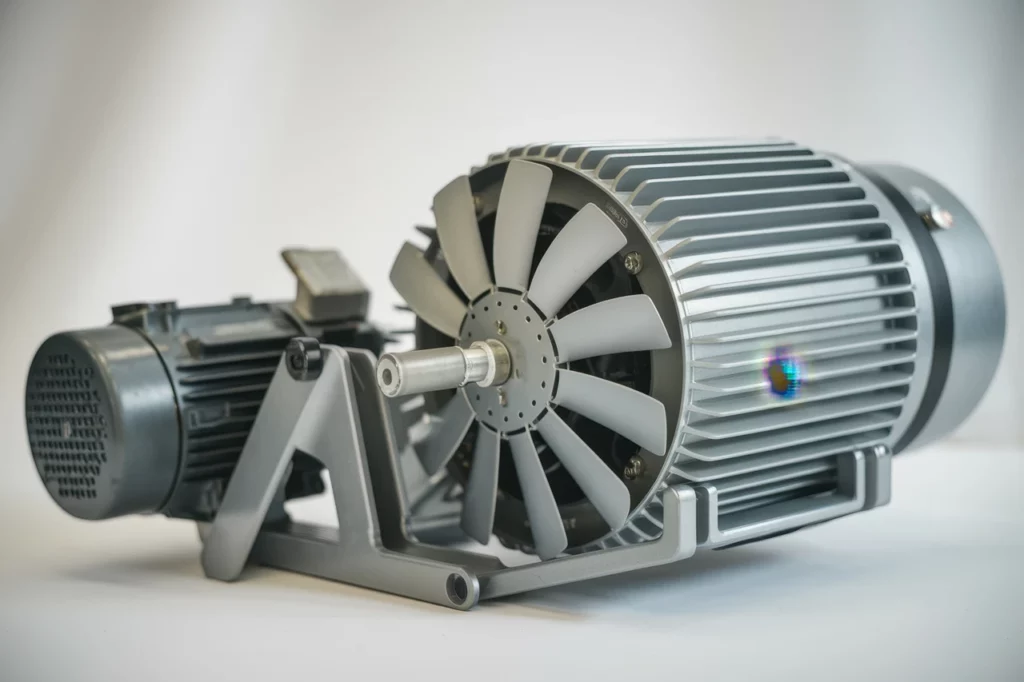
Mechanical parts play a crucial role in creating dynamic flame effects. Issues here can lead to unrealistic or malfunctioning displays:
- Flame Rotisserie Problems
- Fan Malfunctions
- Motor Failures
- Obstructions in the Mechanism
1. Flame Rotisserie Problems
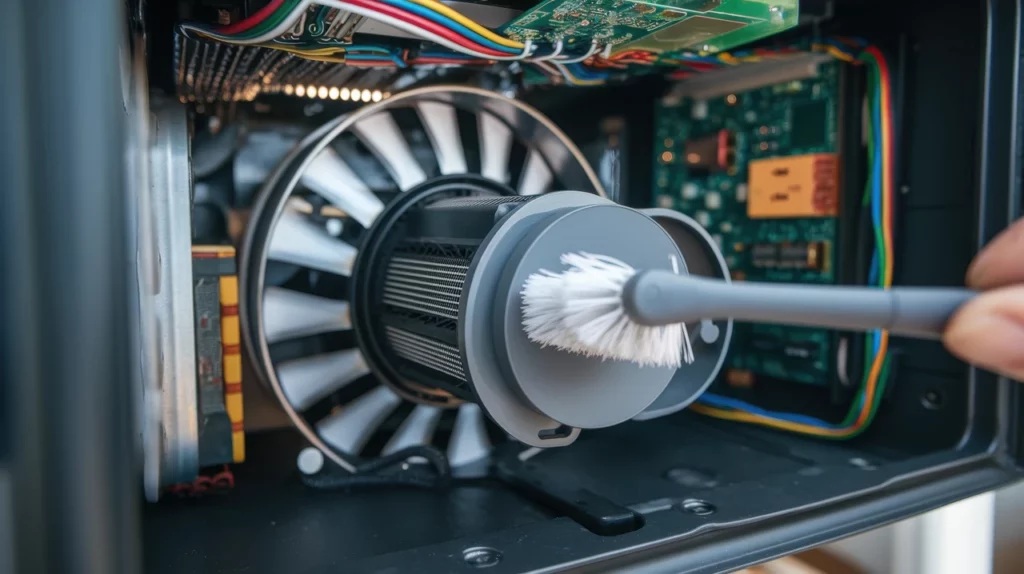
The flame rotisserie creates the illusion of moving flames. Issues can cause:
- Static or frozen flame appearance
- Jerky or unnatural flame movement
Regular cleaning and lubrication can prevent many rotisserie problems.
2. Fan Malfunctions
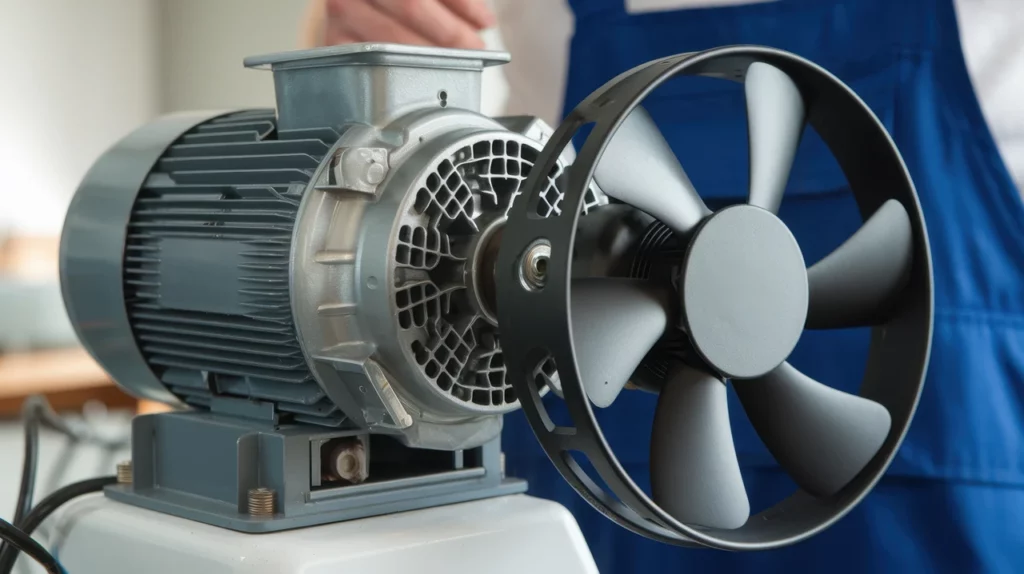
Fans help distribute light and create flame movement. Problems may lead to:
- Weak or inconsistent flame effect
- Unusual noises during operation
Fan issues may require cleaning, repair, or replacement.
3. Motor Failures
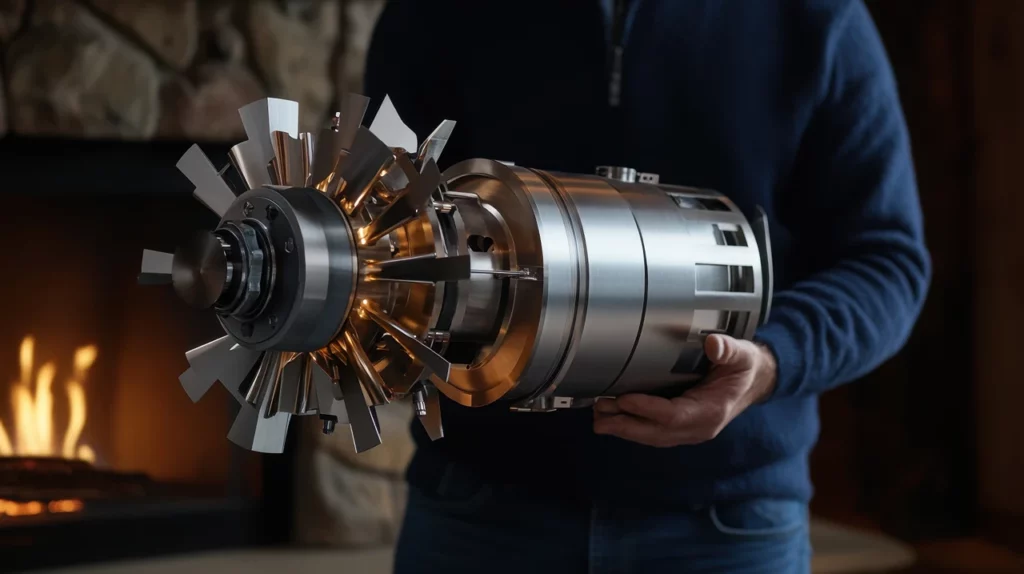
Motors drive various components in the flame mechanism. Failures can result in:
- No flame movement
- Intermittent flame effects
- Strange noises during operation
Motor replacements typically require professional assistance.
4. Obstructions in the Mechanism
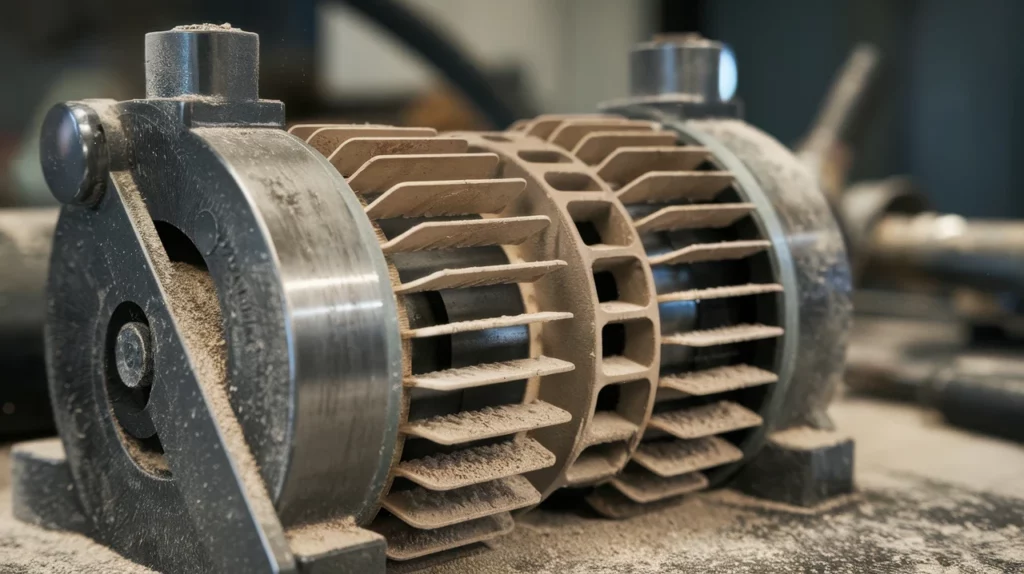
Dust, debris, or misaligned components can obstruct the flame mechanism:
- Partial blockage of the flame effect
- Uneven or distorted flame appearance
Regular cleaning and inspection can prevent most obstruction-related issues.
Environmental Factors: External Influences on Flame Display
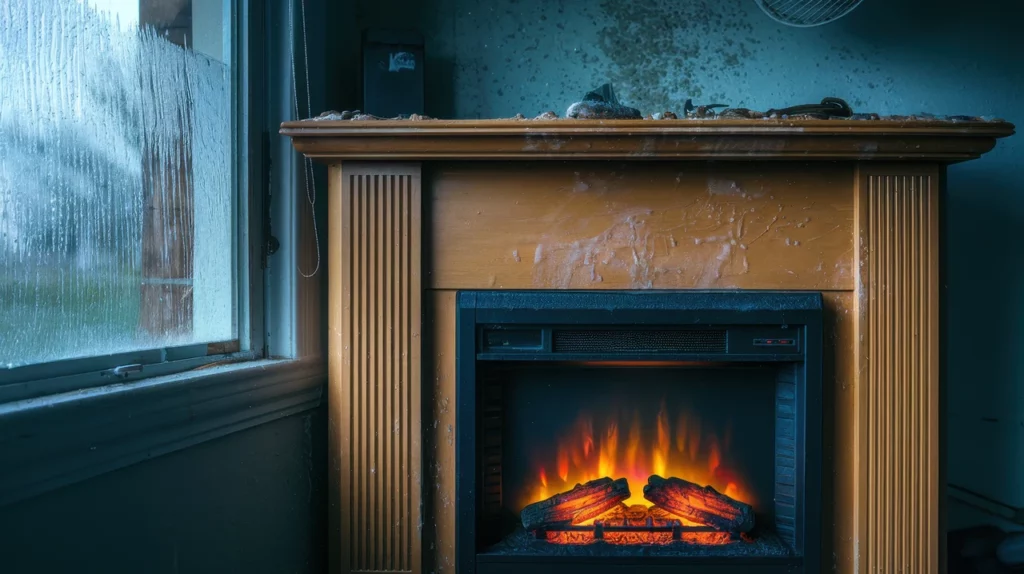
Sometimes, the root of flame display issues lies outside the fireplace itself:
- Dust and Debris Accumulation
- Humidity and Moisture
- Temperature Extremes
- Electromagnetic Interference
1. Dust and Debris Accumulation
Dust can significantly impact flame display quality:
- Dimming or obscuring the flame effect
- Potential overheating of components
Regular cleaning is crucial for maintaining optimal flame display.
2. Humidity and Moisture
Excessive humidity or moisture can affect electrical components:
- Short circuits
- Corrosion of internal parts
Ensure your fireplace is used in an appropriate indoor environment.
3. Temperature Extremes
Operating the fireplace in very hot or cold conditions can cause issues:
- Overheating of electrical components
- Condensation formation in cold environments
Follow manufacturer guidelines for optimal operating temperatures.
4. Electromagnetic Interference
Nearby electronic devices can sometimes interfere with flame displays:
- Flickering or unstable flame effects
- Unresponsive controls
Try relocating potential sources of interference if you suspect this issue.
Frequency of Causes
To give you an idea of how often these issues occur, here’s a table based on general electric fireplace reliability data:
| Cause | Frequency | Typical Impact |
| Electrical Issues | Common | Various display problems |
| Light Source Failures | Common | Dim or partial flame loss |
| Mechanical Problems | Occasional | Unrealistic movement |
| Environmental Factors | Occasional | Gradual performance decline |
| Manufacturing Defects | Rare | Persistent, varied issues |
Preventive Measures
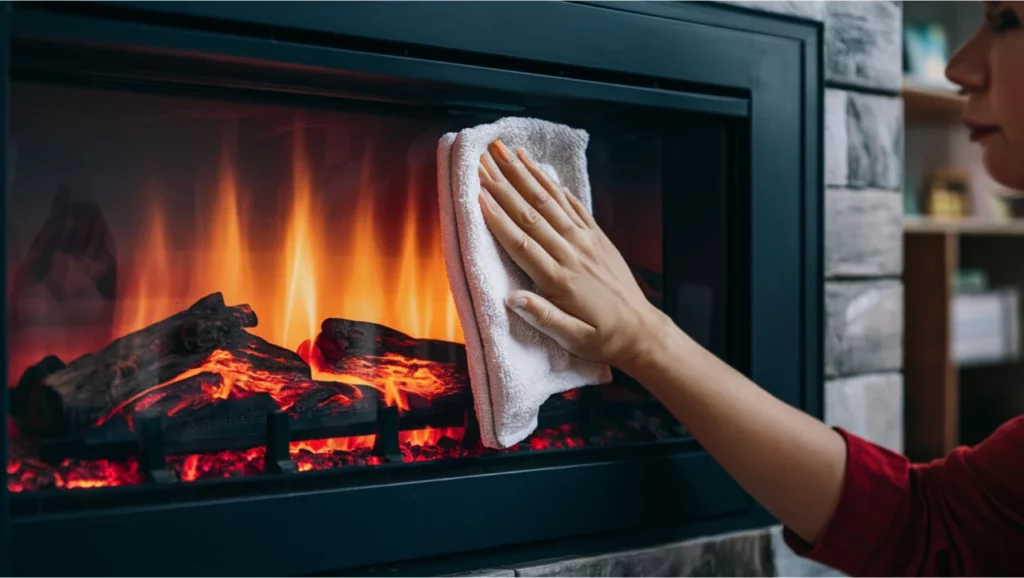
To minimize the risk of flame display issues, consider these preventive measures:
- Regular Cleaning: Remove dust and debris regularly.
- Proper Usage: Follow manufacturer guidelines for operation.
- Timely Maintenance: Address minor issues promptly.
- Quality Power Supply: Use surge protectors and ensure stable power.
- Environmental Control: Maintain appropriate temperature and humidity levels.
Implementing these measures can significantly extend the life and performance of your electric fireplace’s flame display.
When to Seek Professional Help With Electric Fireplace Display Issues
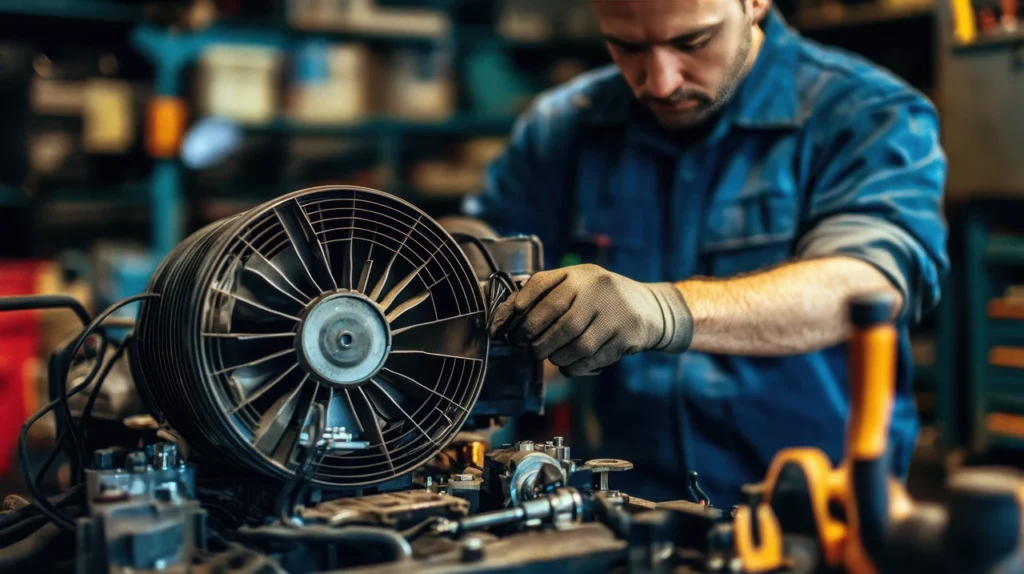
While some issues can be resolved through DIY methods, certain situations require professional assistance:
- Electrical Problems: Any issue involving internal wiring or circuits.
- Persistent Issues: Problems that recur despite troubleshooting efforts.
- Warranty Concerns: To avoid voiding your warranty with DIY repairs.
- Safety Hazards: Any signs of burning, smoke, or electrical malfunctions.
- Complex Mechanisms: Issues with advanced flame generation systems.
Don’t hesitate to contact the manufacturer or a qualified technician if you’re unsure about handling a problem.
Advanced Troubleshooting
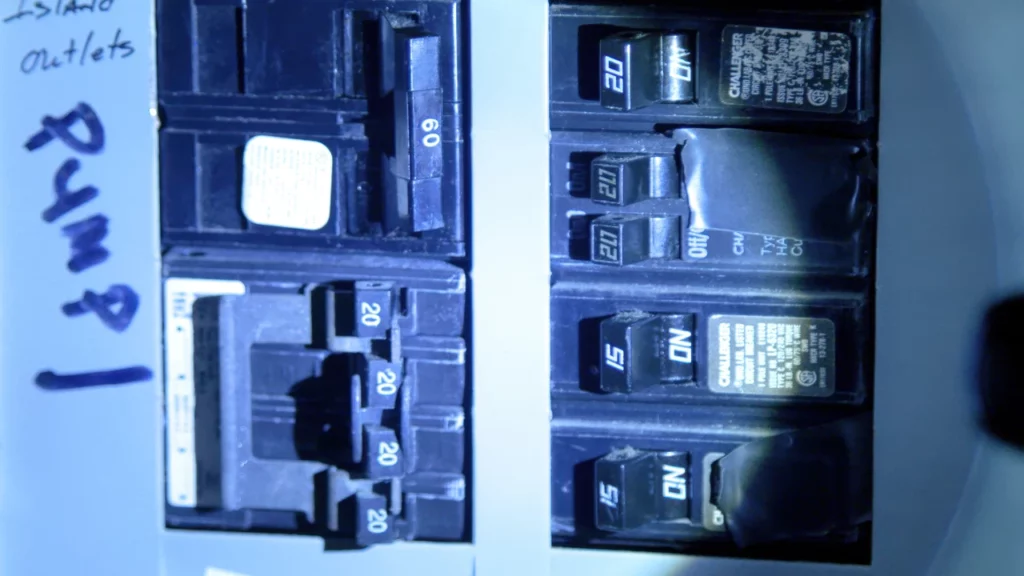
If the above steps don’t resolve the issue, you may need to delve deeper:
- Check the Circuit Board
- Inspect the Motor
- Examine the Wiring
These tasks may require professional expertise. If you’re not comfortable with electrical work, it’s best to contact a qualified technician or the manufacturer’s support team.
Diagnosing Electric Fireplace Flame Problems
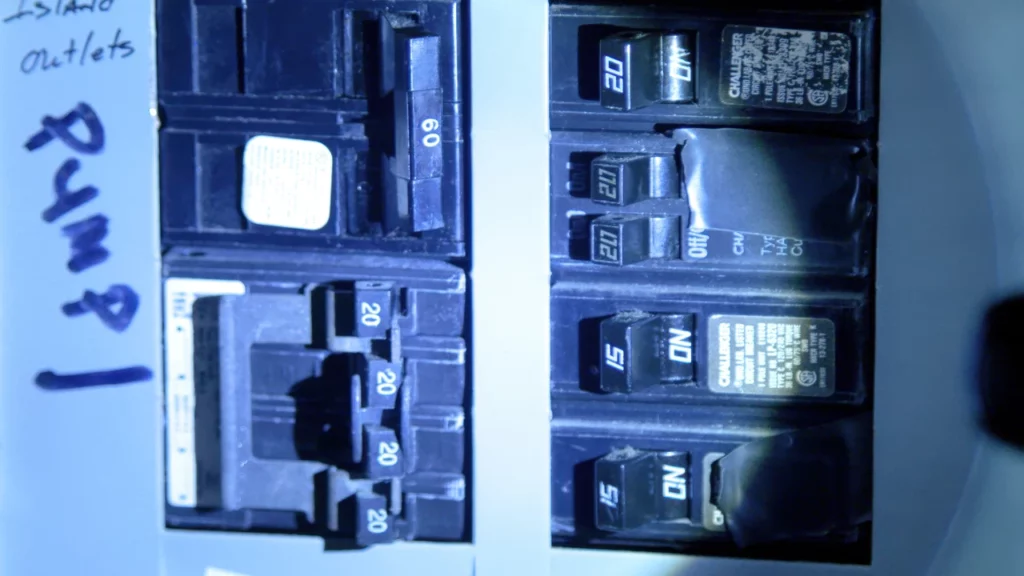
To identify the root cause of your electric fireplace flame issues, follow these detailed steps:
1. Check the power supply and connections:
- Ensure the fireplace is properly plugged in and the outlet is functioning
- Inspect the power cord for any visible damage
- Verify that the circuit breaker hasn’t tripped
2. Inspect the flame effect components for dirt or damage:
- For LED systems, check mirrors and reflective surfaces for dust or smudges
- In water vapor systems, examine the water reservoir and mist nozzles for blockages
- For holographic systems, inspect the projection screen for dirt or scratches
3. Test the control panel and remote control functionality:
- Try adjusting flame brightness, color, and speed settings
- Replace remote control batteries if necessary
- Look for any unresponsive buttons or erratic behavior
4. Listen for unusual noises during operation:
- Identify any grinding, clicking, or buzzing sounds
- Note when and where the noise occurs (e.g., during startup, when adjusting flame intensity)
5. Observe the flame pattern and color consistency:
- Watch for any sudden changes in flame appearance
- Check if the issue is constant or intermittent
- Compare the flame effect to the manufacturer’s specifications or demo videos
6. Check for software updates (for smart electric fireplaces):
- Consult your user manual for instructions on updating firmware
- Ensure your fireplace is connected to Wi-Fi if required
7. Assess environmental factors:
- Consider room lighting and its effect on flame visibility
- Check for drafts or air currents that might disturb the flame effect
- Evaluate the ambient temperature, as extreme cold or heat can affect performance
Detailed Breakdown of Electric Fireplace Malfunction Signs
Let’s examine each of these signs in more detail:
1. Dimming or Fading Flame
A once-vibrant flame that now appears dull or faded can indicate several issues:
- Aging light bulbs
- Dirty reflective surfaces
- Faulty LED strips
- Power supply problems
If you notice a gradual decrease in flame brightness, it’s time to investigate.
2. Flickering or Erratic Movement
While some flickering is normal and adds to the realism, excessive or irregular flickering may suggest:
- Loose connections
- Damaged flame rotisserie
- Faulty motor
- Electrical issues
Pay attention to any sudden changes in the flame’s movement pattern.
3. Unusual Colors
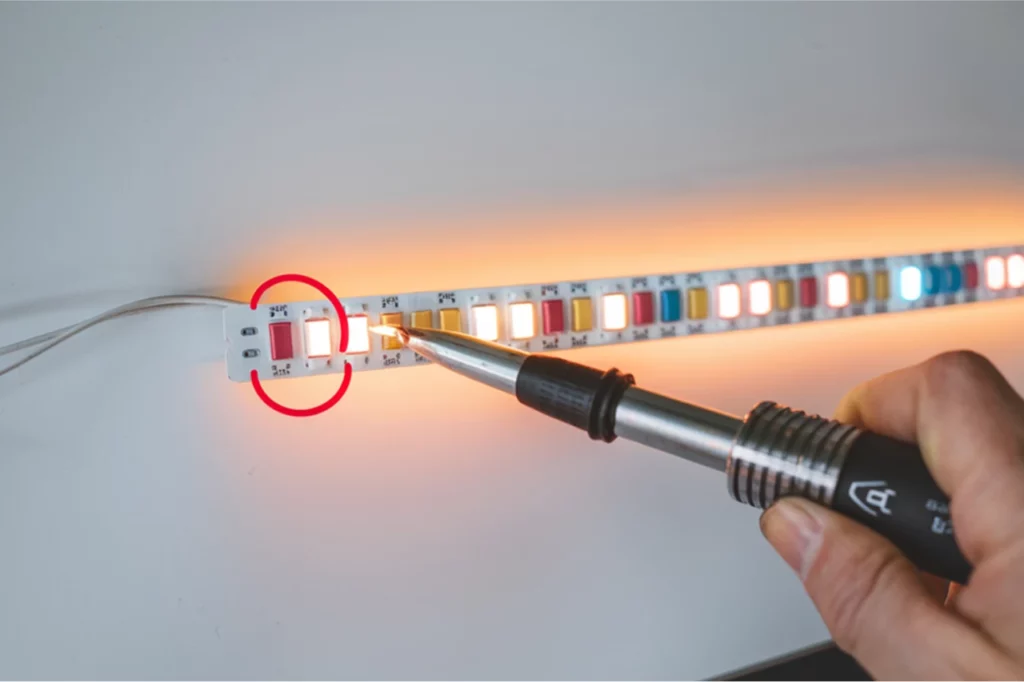
Electric fireplace flames typically mimic the orange and yellow hues of real fire. Unusual colors might indicate:
- Damaged color wheels
- Faulty LED lights
- Incorrect settings (in models with color options)
If your flame suddenly turns blue, green, or any unexpected color, it’s a clear sign of malfunction.
4. No Flame Effect at All
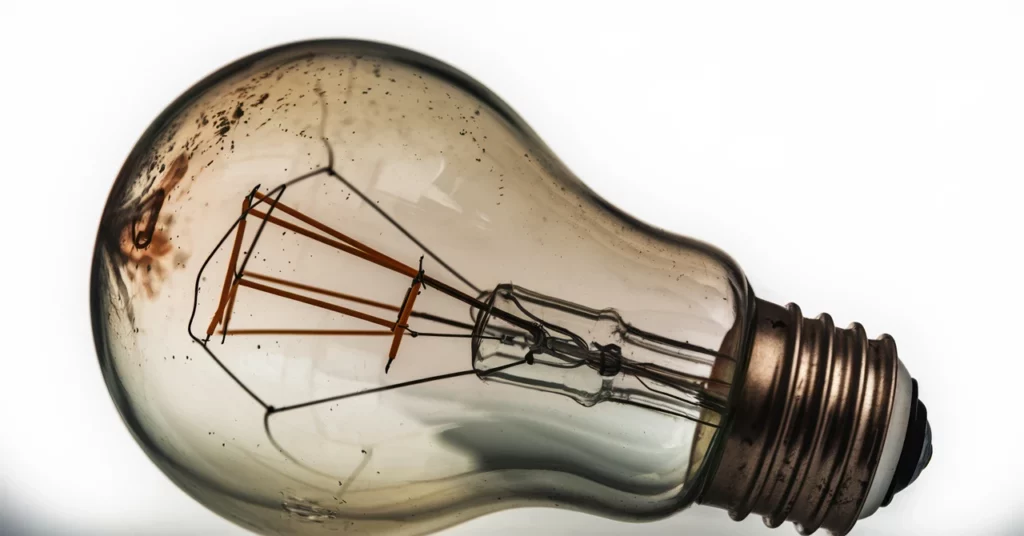
A complete absence of the flame effect is a obvious sign of trouble. This could be due to:
- Power supply issues
- Burnt-out bulbs
- Faulty circuit board
- Broken flame generator
This issue requires immediate attention to restore your fireplace’s functionality.
5. Strange Noises

While some electric fireplaces produce ambient crackling sounds, unusual noises like buzzing, grinding, or clicking may suggest:
- Loose or damaged components
- Motor issues
- Electrical problems
Any new or persistent noise warrants investigation.
6. Smoke or Burning Smell
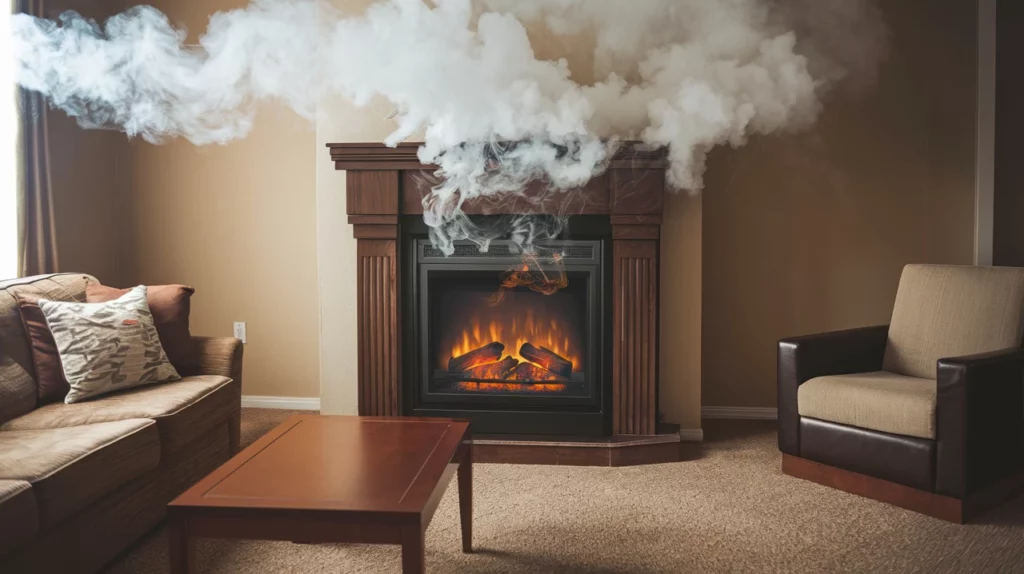
Electric fireplaces should never produce real smoke or burning odors. If you notice either, it could indicate:
- Overheating components
- Electrical short circuits
- Burning dust (if unused for a long time)
This is a serious issue that requires immediate attention and potentially professional help.
How to fix the flames in your fireplace
Check your warranty first
Before you do anything, it’s highly advisable to carefully read over the service agreement that came with your electric fireplace. If you read the document and find that your fireplace is still covered, you can contact the manufacturer for replacement parts or send it back if you decide not to use your electric fireplace as your next DIY project. Some warranties cover parts and labor, some cover replacement parts, and others are warranties for specific parts on the firebox.
A few things you need to look at in your warranty are how long it lasts when it expires and the conditions of the electric fireplace that will void coverage. It also tells you what parts and repair problems are covered and what the manufacturer will do if your fireplace fails. Parts like light bulbs, such as those that provide the ambient glow for the fireplace, aren’t covered as they can be easily replaced.
Cheaper electric fireplaces use an electric motor and rotating lights to create the illusion of flames, but high-end, luxury modern electric fireplaces such as MagikFlame do not. This means there is a lower probability of malfunctioning or breaking with our products. We use LED and LCD technology for years of trouble-free operation. We offer a one-year limited warranty, which means that you can return your unit for repair or replacement if it fails within the year as long as it’s returned in the original box with the receipt. If there are problems with your unit after the year is up, it’s simpler to repair it yourself if you have repair experience.
Safety first
When working with something electrical, there are safety steps to take before you start repairs. The first step should be to unplug the fireplace from the outlet to remove the risk of electrocution from a live wire. Another obvious safety step is to avoid water while working with electricity, even if your fireplace isn’t plugged in. Don’t touch or even attempt to repair circuits or anything else if your hands are wet or your clothing is wet, as this will increase conductivity for the electrical current.
Since pets and children are unpredictable at best, it’s best not to leave them unattended. Even the best-behaved child or pet becomes curious and will inspect something, which may cause an accident and potential injury. You should also keep other objects at a safe distance, such as furniture, toys, blankets, and other flammable materials.
Don’t place anything on top of your electric fireplace as you attempt repairs, and leave at least three to four feet of clear space around the electric fireplace, except for the tools you will need to use.
Remote control
Sometimes the problem isn’t that there’s something broken, especially if you mainly use the remote. If you use the remote control app on your phone, make sure you’ve synced the app to your fireplace and that it’s responding to the commands on your phone. If you’re not using the app on your phone but the actual remote, check out the remote before turning your attention to the fireplace insert itself.
The first step you should take is to take off the back cover and check the remote’s batteries. If you have a battery checker, test the batteries to determine their power level. If the batteries are dead or nearly dead, you can recharge them if you have a battery recharger. Simply replace the batteries with a fresh, working pair if you don’t.
Once you have replaced the batteries, put the back of the remote back on and try the remote again to see if there’s a response after you plug the fireplace back into the outlet. If there’s no response from the fireplace when you use the remote control, try using the app on your phone to determine if it’s the remote or the fireplace itself. If you receive a response from the app, it may be a problem with the remote. If there’s still no response even when you use the app, it’s more than likely an issue with the fireplace.
On/Off switch and plug it in
Another step is to check your fireplace’s physical on/off switch. While it’s another one of the easiest possible solutions, it often saves time and energy to first work through the easiest solutions. You don’t want to take apart the entire fireplace, look through all the wiring, and put everything back together only to find that the problem you had was that you didn’t turn it on or didn’t plug it in.
After you check the on/off switch and have no response after turning it on and using the remote again, the next troubleshooting step would be to make sure that you’ve plugged the electric fireplace in your bedroom into the socket. You may have plugged it in, but there’s a possibility that it came loose afterward. If you check and the plug is entirely in the outlet, the fireplace is in the on position, and nothing is happening either with the remote or your app, turn off the fireplace and unplug it.
The next thing to check is to see if the outlet itself is at fault. One way to determine if an outlet has power is to plug other items into the outlet, such as a lamp, to see if those items function. The best way to test a power outlet is to use a multimeter and set it to measure voltage.
When using a multimeter, insert a probe into each slot and check the voltage measurement. An outlet that’s working properly will read somewhere between 110 and 120 volts. An electric unit will require at least a 15-amp breaker or fuse. If it’s not the outlet, plug the fireplace into another outlet to see if it works there. If it does, then you may need to try to fix the original outlet.
If your fireplace works on another outlet but not the intended outlet, then that’s a sign that you need to replace that particular outlet. Other signs that you need to replace an outlet include loose plugs. While plugs that fall out of the socket are annoying, they are actually dangerous as they can cause sparking and electrical arcing.
A few more signs you need to replace an outlet include if the outlet feels hot to the touch, if you see a spark, if you smell smoke, if there are cracks and chips on the outlet cover, or if there are burn marks on the faceplate, outlet, or wall.
Circuit breaker or fuse box
If you determine that there’s no power going to the outlet and there aren’t any other signs that you need to replace the outlet, the next step in the problem-solving process before replacing the outlet is to go over to the circuit breaker or fuse box. Just because there’s no power to the outlet, it doesn’t always mean there’s a faulty power outlet.
The breakers or the fuses in the box should have accurate and up-to-date labels that tell you exactly which breaker or fuse powers what and where. If the labels are not up-to-date, then that is a project for another day that involves patience and possibly other people helping to determine which fuses or circuits lead were.
Once you find the fuse or breaker that leads to the outlet in question, label it if it isn’t already marked. If the problem is a blown fuse, all you have to do is replace the fuse with one that can handle the fireplace’s power.
If the circuit breaker trips, the power won’t supply the unit. If this is the case, it’s simply flipping that particular breaker back into the on position. Once you have flipped the breaker or replaced a blown fuse, plug the fireplace back in and see if it works.
Inside the electric fireplace
If you have gone through the other steps to determine if it’s elements outside the electric fireplace that aren’t working properly, such as the breaker, the outlet, etc., and found those to work properly, then it’s possible to conclude that the issue is, in fact, with the electric fireplace. Your electric fireplace is more than a space heater that produces a realistic fireplace flame, log set, and ambiance for your living room — expect it to work as a fireplace should. If you decide to fix your fireplace yourself, it’s time to break out the owner’s manual and a screwdriver.
How to open an electric fireplace
To open your freestanding electric fireplace insert, you’ll need a screwdriver and some rubber gloves to protect yourself. Remove the back panel by removing the screws on the back of the unit. Work from the bottom screws to the top screws so that the top screws are the last ones to come off.
This makes it easier to work with the back panel. Ensure you don’t lose the screws by keeping them in a small container until you’re ready to put the back panel back on.
Light bulbs
LED bulbs last for a long time, about 50,000 hours. At eight hours per day, they last 15 years, but it’s unlikely that you’d have the fireplace on for that long. At four hours per day every day, the LED bulbs should last for 34 years. If the LED bulbs have burnt out long before their time, replacing them should be easy.
The first step to replacing the LED lights is to turn off your electric fireplace insert and unplug it from the wall. Then wait about 20 minutes for the unit to cool down, so the bulbs aren’t hot when you remove them. Refer to your owner’s manual to learn how to access the lights for your model.
Once you locate the burned-out light bulbs, rotate them counterclockwise to remove them, but don’t touch the bulbs with your bare hands just in case. This is where rubber gloves come into play. Once you have removed the dead bulbs, install the new bulbs by turning them in a clockwise motion.
Once you replace the burnt-out bulbs with new bulbs, replace the access panel and the screws. When finished, place the fireplace back where it belongs, plug it in, and turn on the flames. The realistic flames and the ember bed should provide the light and ambiance they were meant to.
Loose connections
Loose wiring causes several problems with your portable electric fireplace. Loose wiring causes the flame not to move, prevents the fireplace from turning on, the log set to not glow, or the heater doesn’t provide heat. First, turn off the power to the device to fix the problem.
Once you turn off the power to the device, open up the back panel and use and go over all the wiring. You may have to use a magnifying glass for this. Check for frayed wiring or discoloration around the connections. Check the cord as it meets the unit’s back; it should be secured solidly to the back. Follow the leads to the circuit board and check for proper attachments and any breaks or pinches in the line.
Temperature issues
If you’ve turned on the unit, but no warmth comes from the unit itself, it could either be a blower issue or an issue with the thermostat. If the problem isn’t with the thermostat, it could be a motor issue. Check the circuit panel to find the motor location. Once you find the blower compartment, lift the cover to access the wheel and the heating element.
Check the condition of both the wheel and motor to see if there’s anything obviously broken. If the fan only works at certain speeds, or there’s no air, you’ll have to replace the motor. If there’s a clicking noise, there’s also a potential that the unit has gone into overheat protection mode.
Seized rod
If you experienced a sudden squeaking noise from your freestanding electric fireplace and if you hear the motor working harder when you try to move the flames, it’s possibly a seized rod. This is an easy fix. Turn off and unplug the fireplace from the power supply and remove the back panel. If your flame effects are squeaking or seizing, all you have to do is provide lubrication to the flame motor, such as spraying it with WD40.
If you’re looking for a wall-mounted fireplace heater with realistic flame and crackling log sounds, our units are the best electric fireplace for you compared to other brands. When you’re looking for a fireplace heater that doesn’t require you to keep stacks of firewood around, and you don’t want to worry about taking care of a gas fireplace, then check out the MagikFlame electric fireplace buying guide for your next firebox.
Conclusion
Understanding the potential causes behind a faulty flame display in your electric fireplace is crucial for maintaining its performance and longevity. By familiarizing yourself with these common issues and their root causes, you can better diagnose problems and take appropriate action.
Remember, regular maintenance and prompt attention to minor issues can prevent many major problems down the line. Whether you’re dealing with electrical components, light sources, mechanical parts, or environmental factors, staying informed and proactive is key to keeping your electric fireplace’s flame display vibrant and realistic.

While some issues may require professional intervention, many can be prevented or resolved through proper care and attention. By treating your electric fireplace with the respect it deserves, you can ensure it continues to provide warmth, ambiance, and a beautiful flame display for years to come.


